
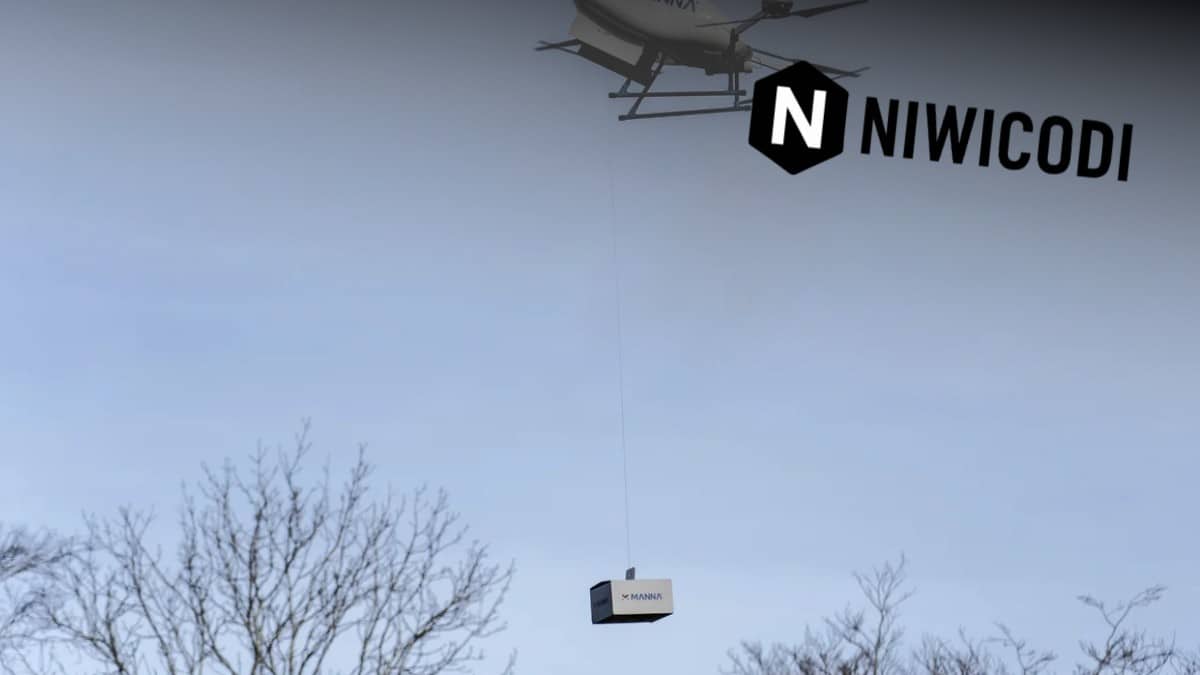
In Finland, the skies are becoming a little busier, but not with birds or planes. Instead, drones are taking flight, carrying something unexpected: your dinner. This isn’t just a tech demo or a futuristic novelty. It’s a real-world collaboration between Manna, Wolt, and Huuva that could redefine how we think about delivery.
The Mechanics Behind the Meal
At the core of this collaboration is Manna, an Irish company specializing in drone delivery technology. Their drones aren’t just flying boxes; they’re sophisticated machines designed to safely and efficiently navigate urban airspace. Equipped with advanced navigation systems and precise drop-off mechanisms, these drones can deliver food faster than traditional methods. Think of it as the next evolution of logistics where efficiency meets innovation.
Wolt, a food delivery platform owned by DoorDash, plays a crucial role here. With its extensive network and established customer base in Finland, Wolt acts as the bridge between the technology and the consumer. They provide the interface—both digital and logistical—that makes drone delivery a seamless part of the everyday food ordering experience. For Wolt, integrating drone deliveries isn’t just about speed; it’s about enhancing customer satisfaction and competitiveness.
Then there’s Huuva, a food startup that brings a unique twist to this partnership. Huuva operates cloud kitchens designed to serve multiple restaurant brands from a single location. This model allows them to optimize food production for drone delivery, ensuring meals are prepared and packaged effectively for aerial transport. It’s not merely about getting food from point A to point B; it’s about maintaining quality during the journey. To read Nvidia Hires Groq CEO and Licenses Tech in AI Chip Shakeup
You might wonder why Finland? The country offers an ideal testing ground with its tech-savvy population and supportive regulations for drone operations. Plus, its urban areas present the perfect mix of density and navigability for pilot programs like this one.
For the tech enthusiast looking at this setup, it’s fascinating how each party brings something unique to the table—technology, logistics expertise, and culinary innovation—all working in sync to make drone delivery viable.
As we watch this unfold, questions linger about scalability and regulation. Can such systems be adapted to larger cities with more complex airspace? What happens when drones become as common as delivery bikes?
The Finnish experiment offers more than just hot meals: it poses intriguing questions about urban logistics. Whether this becomes the norm remains to be seen, but one thing’s clear—our skies may soon hold not just planes and birds but fleets of buzzing delivery drones changing how we dine.