
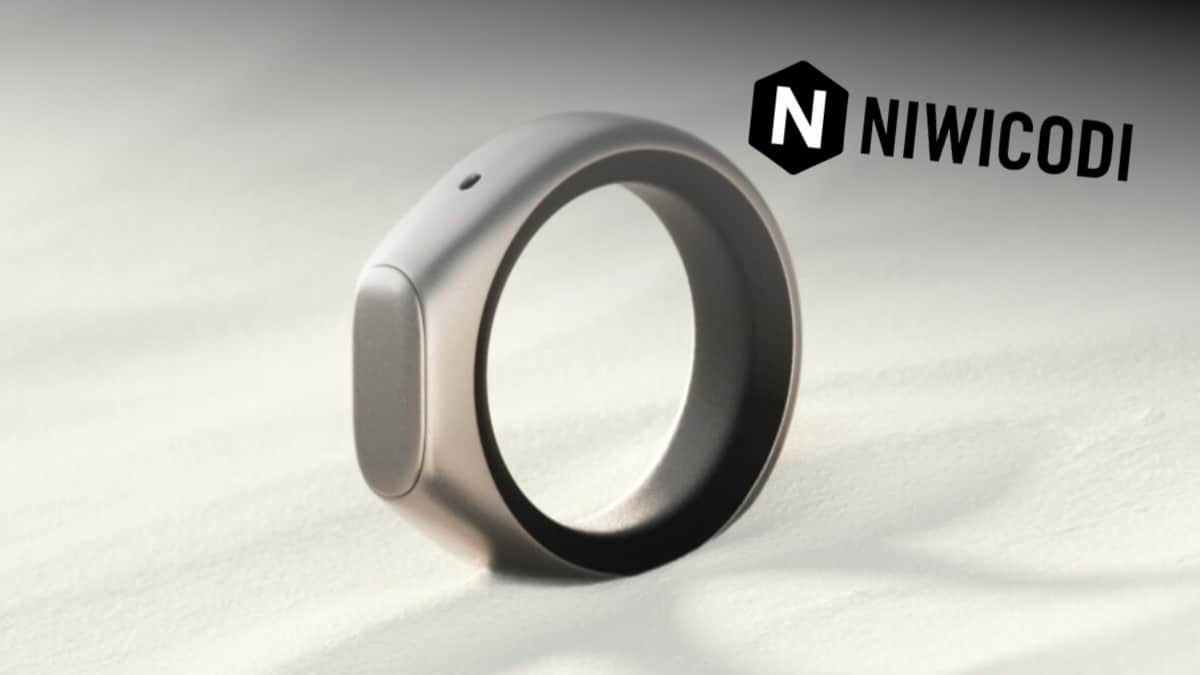
In an era where voice-activated technology is proliferating, the next frontier might just fit on your finger. Enter the realm of smart rings, a wearable tech that promises to redefine how we interact with digital content. Sandbar, a startup founded by ex-Meta employees, is diving into this space with a device designed to take voice notes and manage music controls. It’s a curious evolution of voice-based interfaces, shifting from static devices to something you can wear.
The Rise of Wearable Voice Tech
The concept isn’t entirely new. We’ve seen a growing trend of voice-centric gadgets aiming to enhance productivity or offer companionship. From card-shaped devices to pendants and wristbands, these tools are carving out niches in our daily lives. Each form factor has its strengths: cards and pendants are discreet, wristbands are always within reach. But smart rings offer something different—an interface that’s both subtle and intimate.
Sandbar’s approach seems to be tapping into a desire for seamless interactivity without the bulk of traditional devices. Imagine being able to jot down thoughts or switch tracks with just a flick or a tap on your finger. For those who thrive on multitasking or need constant connectivity without being tethered to larger devices, this could be transformative.
What’s technically compelling about Sandbar’s ring is its potential to integrate seamlessly with various ecosystems. By focusing on intuitive interface design, the creators aim to provide users with an experience that feels natural and unobtrusive. This isn’t about replacing smartphones or smart speakers but rather complementing them in scenarios where hands-free control is advantageous. To read Nvidia Hires Groq CEO and Licenses Tech in AI Chip Shakeup
In practical terms, think of scenarios like driving or working out where handling a phone isn’t feasible. A voice-controlled ring could easily facilitate these tasks while maintaining user focus elsewhere. Moreover, as privacy concerns grow around larger tech ecosystems, having a personal device that’s less intrusive yet functional appeals to a certain segment of users.
The real question is how well these devices will manage user expectations and interaction fidelity in real-world settings. Voice recognition technology has made significant strides, but it still struggles with nuances and ambient noise interference. Success for Sandbar will hinge on their ability to overcome these challenges and deliver reliable performance consistently.
As we look forward, the expansion of voice-based wearables like Sandbar’s encourages us to rethink how we want our tech interactions to evolve. Will these devices become indispensable parts of our daily ensemble? Or will they remain niche tools for specific tasks? The answer will likely depend on how well they integrate into our lives without becoming another source of digital fatigue.
In essence, what we’re witnessing is not just an innovation in gadgetry but a subtle shift in how we conceive personal technology—smaller, more personal, yet powerfully connected. As Sandbar and others push these boundaries, it’s worth pondering: how close do we want our digital companions to be?