
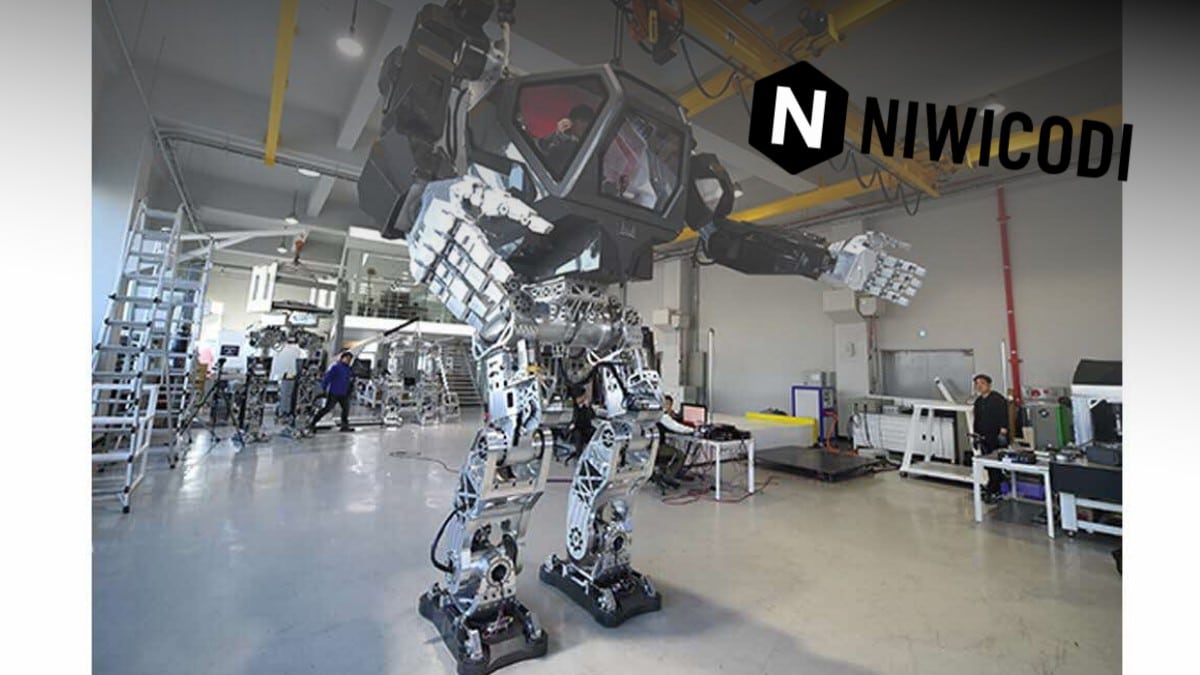
In the bustling world of defense technology, a new player is stepping onto the field. Bone AI, a South Korean startup, is making waves by marrying artificial intelligence with advanced robotics to challenge Asia’s established defense behemoths. This isn’t just another tech story; it’s a glimpse into how innovation can disrupt even the most fortified industries.
Navigating the Defense Tech Landscape
Bone AI’s journey is as much about smart strategy as it is about cutting-edge technology. The defense sector in Asia is dominated by giants with decades of experience and deep pockets. So, how does a startup like Bone AI plan to carve out its niche? The answer lies in leveraging AI to enhance robotics capabilities, creating systems that are not only efficient but also adaptable to combat scenarios.
Traditional defense companies are often hampered by their size and legacy systems, which can stifle innovation and agility. Bone AI, on the other hand, benefits from fresh perspectives and the ability to move quickly. They aren’t just building robots; they’re developing intelligent machines capable of learning and adapting in real-time. This adaptability could redefine battlefield strategies, introducing a level of flexibility unmatched by older systems.
Moreover, Bone AI’s approach reflects a broader trend in technology: the shift from static hardware to dynamic software-driven solutions. This evolution allows for iterative improvements and updates—something akin to the software updates we see in consumer tech—ensuring that their systems remain cutting edge without overhauls. To read Nvidia Hires Groq CEO and Licenses Tech in AI Chip Shakeup
But it’s not just about the technology itself; it’s about what this technology enables. For militaries across Asia, adopting AI-driven robotics means more than just modernizing equipment. It represents a strategic pivot towards more autonomous operations, potentially reducing human risk in dangerous environments and increasing operational efficiency.
Of course, challenges abound. Integrating AI into defense systems raises questions around security, ethics, and control. How do you ensure these systems are secure from cyber threats? What ethical guidelines should govern their use in combat? These are questions that Bone AI—and indeed the entire industry—must address as they push forward.
In conclusion, Bone AI’s rise highlights the transformative potential of AI in reshaping industries traditionally resistant to change. By focusing on intelligent robotics, they’re not just building machines; they’re constructing a new paradigm for defense technology in Asia. As they continue to evolve, they may very well redefine what it means to be a leader in this high-stakes arena. Only time will tell how these innovations will unfold on the global stage, but one thing is certain: Bone AI is a name worth watching.