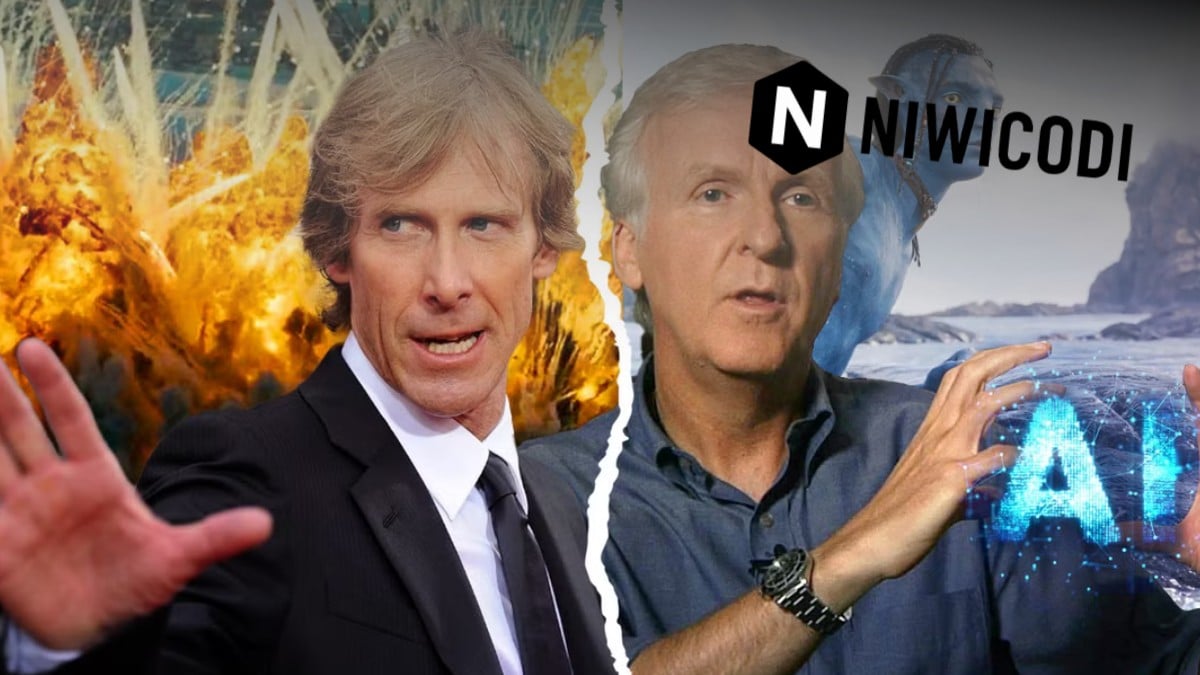
In the ever-evolving landscape of technology, where innovation often outpaces comprehension, generative AI emerges as a fascinating, yet contentious, player. James Cameron, a director renowned for his boundary-pushing visual effects, recently expressed his apprehension towards this technology. His insights invite us to ponder the implications of AI’s growing role in creative industries.
The Dual-Edged Sword of Generative AI
Generative AI, a subset of artificial intelligence that can create content ranging from text to images, has taken the tech world by storm. While it holds immense potential for automating mundane tasks and sparking creativity, it also raises significant ethical and artistic concerns. Cameron’s critique is not rooted in technophobia; rather, it stems from a deep understanding of storytelling and technology.
Consider the intricate visuals in films like “Avatar.” These are products of human imagination enhanced by technology—not replaced by it. Cameron’s apprehension is that as generative AI tools become more sophisticated, they might overshadow the human element in art. The fear is not just about job displacement; it’s about losing the soul of creativity.
This concern is not unfounded. AI-generated art and scripts can mimic human creativity but lack its nuance and depth. For instance, while an AI can generate a screenplay by analyzing thousands of scripts, it lacks the lived experiences and emotional intelligence that a human writer brings to the table. The risk here is homogenization—art that looks perfect but feels hollow. To read Nvidia Hires Groq CEO and Licenses Tech in AI Chip Shakeup
Moreover, the ethical implications are profound. Generative AI can be used to create deepfakes or spread misinformation at an unprecedented scale. The technology blurs the line between reality and fabrication, challenging our ability to discern truth in digital content.
However, dismissing generative AI entirely would be short-sighted. Like any tool, its impact depends on how we wield it. In skilled hands, it could amplify human creativity rather than diminish it. Artists and technologists must collaborate to explore this synergy without compromising artistic integrity.
Ultimately, James Cameron’s cautionary stance invites us to engage in dialogue about our relationship with technology. Are we steering this ship wisely? As we navigate these uncharted waters, we must ensure progress doesn’t cost humanity and creative spirit remains intact.