
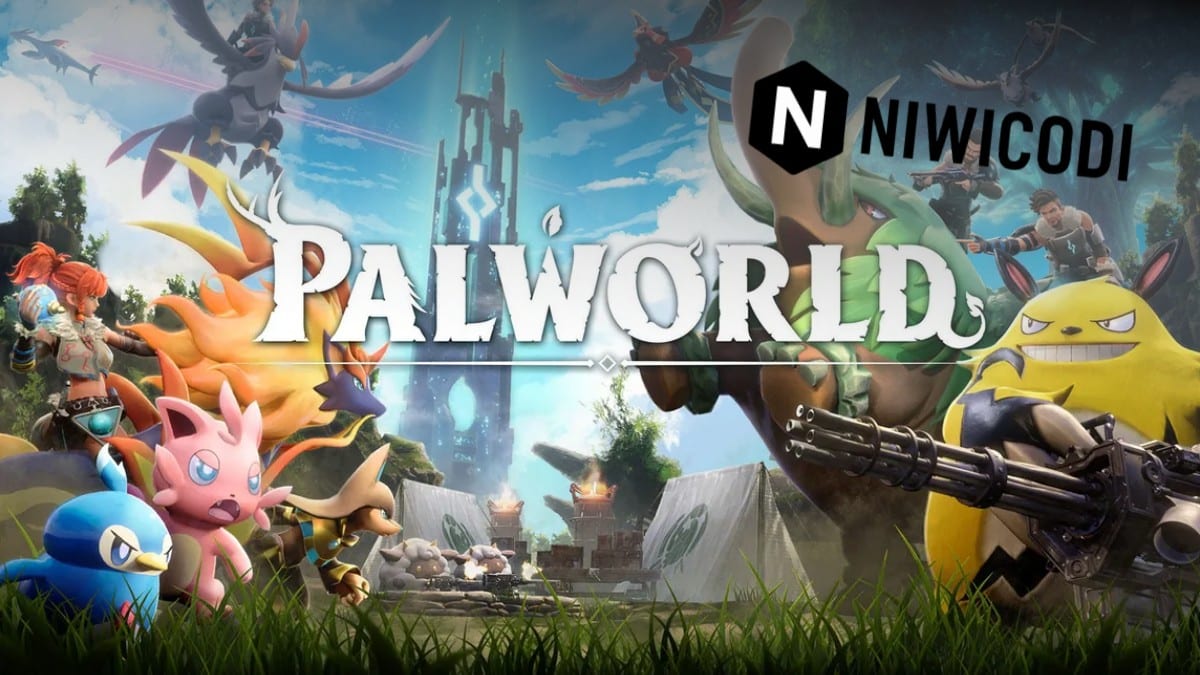
Nintendo, a titan in the gaming world, is facing a rather unexpected twist in its legal battle involving Palworld. Just as it navigates choppy waters in Japan over Pokémon-related patents, the United States has thrown a curveball by deciding to re-evaluate a previously granted Pokémon patent. This decision is not only unusual but potentially pivotal.
The Intricacies of Patent Disputes
Patent disputes in the tech and gaming industries are nothing new. However, what makes this situation particularly intriguing is the rarity of the US Patent Office’s move to re-examine an existing patent. Normally, once a patent is granted, it stands firm unless significant reasons for review arise. This action suggests that there might be substantial doubts about the validity of Nintendo’s claims concerning Pokémon’s signature mechanics.
The mechanics in question revolve around the iconic monster capture and throwing elements that Pokémon games are famous for. These features aren’t just gameplay quirks; they’re foundational to Pokémon’s identity and commercial success. So, having these mechanics under scrutiny could ripple through Nintendo’s strategies, especially in its fight against Palworld, a game accused of infringing on these very elements.
From a broader perspective, this development highlights the balancing act between protecting intellectual property and fostering innovation. If Nintendo’s patents are deemed overly broad or invalid, it could set a precedent affecting how similar mechanics are protected or challenged in the future. For developers and companies, this could open doors to more creative freedom—or create new legal challenges. To read Terminator 2D game reimagines a cult scene in bold new way
This situation also underscores the global nature of intellectual property battles. What happens in one jurisdiction can influence decisions elsewhere. Japan’s rejection of Nintendo’s initial patent efforts adds another layer of complexity. It raises questions about how international patent laws align and diverge, and how companies like Nintendo navigate these waters to protect their innovations.
Ultimately, this case serves as a reminder of the dynamic interplay between innovation and regulation. As we wait for further developments, one can’t help but ponder: How will this influence the next wave of gaming mechanics? And more intriguingly, will it lead to more collaborative or competitive landscapes within the industry? Time will tell, but one thing is clear—the world of gaming remains as unpredictable as it is exciting.