
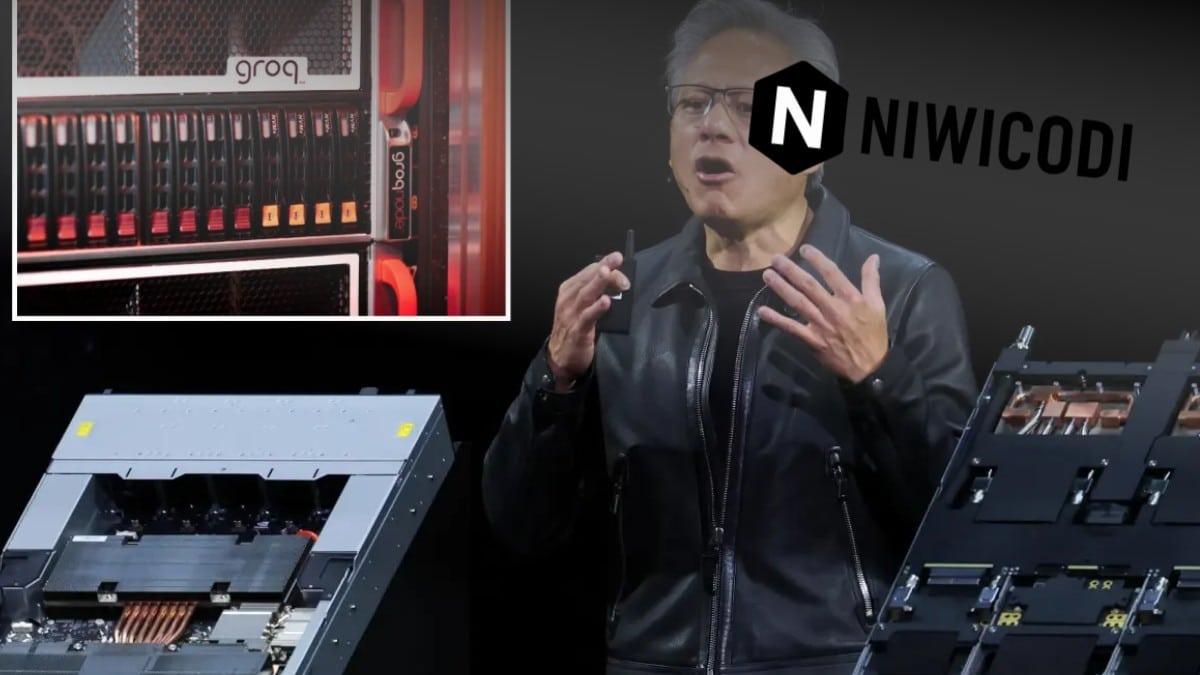
When Nvidia, the titan of graphics processing, makes a move, the tech world takes notice. The company’s recent decision to license technology from Groq and hire its CEO is a strategic play with potentially far-reaching implications in AI chip manufacturing. This partnership is more than just a business maneuver; it’s a signal of intent to expand Nvidia’s presence in the AI space.
Nvidia’s Calculated Expansion
At the core of this decision lies Nvidia’s ambition to cement its leadership in AI chip technology. Groq, a relatively young player in the semiconductor industry, has made waves with its innovative approach to chip design, particularly focusing on simplifying the hardware architecture to maximize performance and efficiency. By integrating Groq’s technology, Nvidia is betting on the future of streamlined computing.
Groq’s unique tensor streaming processor architecture is what really sets it apart. Unlike traditional chips that handle multiple tasks simultaneously, this architecture allows for single-instruction multiple-data streams, which can significantly boost AI workloads. For Nvidia, which is already a powerhouse in GPUs, incorporating such a novel approach could mean a leap forward in performance.
But this partnership isn’t just about technology—it’s also about talent acquisition. Hiring Groq’s CEO brings a fresh perspective and expertise into Nvidia’s already robust leadership team. This move could foster new ideas and innovations that further integrate Groq’s advancements with Nvidia’s existing technologies. To read DJI Drone Ban in US Shakes Up Tech Market in 2025
The implications for the broader industry are fascinating. As Nvidia strengthens its grip on AI chip manufacturing, competitors like AMD and Intel may feel pressured to innovate faster and more efficiently. This could lead to an acceleration in technological advancements across the board, benefitting a wide range of industries from autonomous vehicles to cloud computing.
This collaboration also raises questions about the future landscape of the semiconductor industry. As companies like Nvidia continue to expand through partnerships and acquisitions, will we see a consolidation of power among a few key players? Or will emerging companies continue to disrupt the status quo?
In essence, Nvidia’s move is a calculated step towards maintaining and extending dominance in an ever-evolving field. By leveraging Groq’s cutting-edge technology and leadership, Nvidia is not just playing for today but strategically positioning itself for tomorrow’s challenges. As these developments unfold, it will be intriguing to observe how they shape the next era of AI-driven computing.