When authors like John Carreyrou take a stand against major AI companies, it’s not just about legal battles; it’s about the future of intellectual property in the digital age. As the landscape of artificial intelligence evolves, so too does the complexity of ownership in the realm of creativity and innovation.
The Legal Chessboard of AI and IP Rights
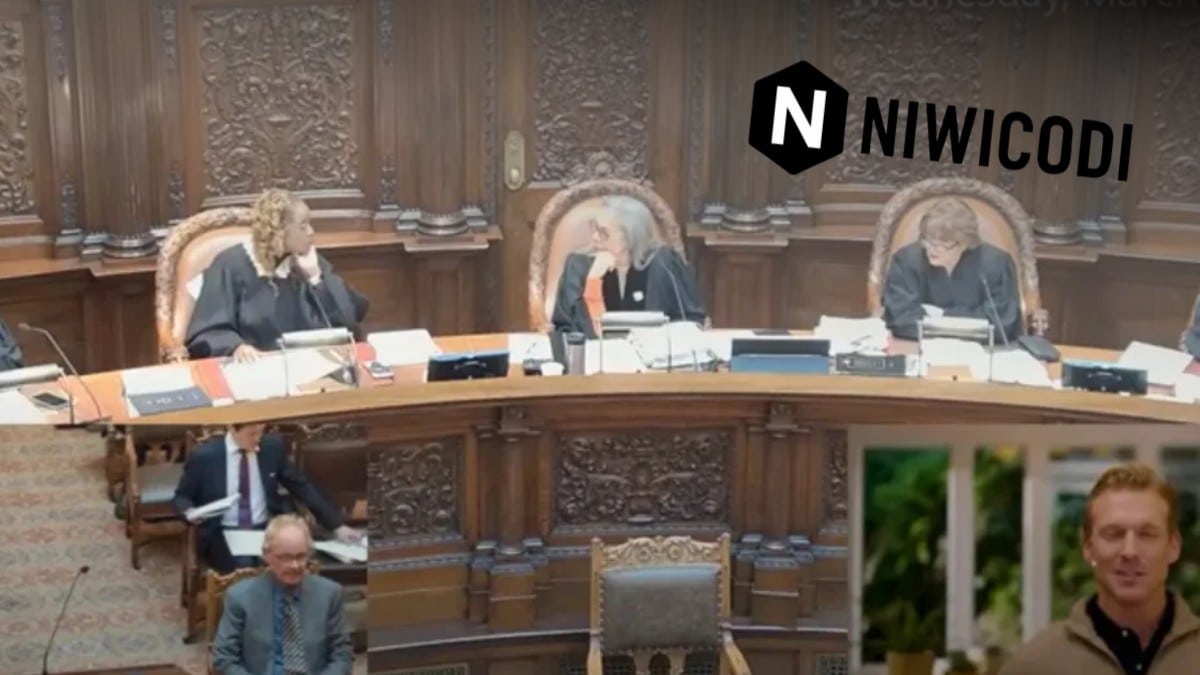
In recent developments, a group of authors, including Carreyrou, has decided to reject Anthropic’s class action settlement. Their argument is simple yet profound: LLM (Large Language Model) companies should not be able to dismiss high-value claims for minimal compensation. This isn’t just a financial concern—it’s a fundamental challenge to how AI companies interact with content creators.
These lawsuits underscore a growing tension. As AI models become more sophisticated, they increasingly rely on vast datasets that often include copyrighted material. The debate centers around whether these companies should pay more for using this content or even if they should use it at all without explicit permission.
The authors’ decision to push back highlights a critical point: intellectual property rights must adapt to keep pace with technology. The rapid development of AI has outstripped current legal frameworks, leaving creators in precarious positions regarding their rights and remunerations. To read DJI Drone Ban in US Shakes Up Tech Market in 2025
What’s particularly intriguing here is the broader implication for AI development. If AI companies are required to negotiate or pay more for data usage, it could slow down advancement. However, it could also lead to more ethical standards in how data is acquired and used.
For those of us who have watched technology evolve from niche to necessity, this is a pivotal moment. It’s not just about protecting financial interests but ensuring that innovation doesn’t compromise creators’ rights.
As this legal narrative unfolds, one must wonder how it will shape future interactions between tech giants and content creators. Will we see new models for collaboration that respect both innovation and intellectual property? Or will this be a drawn-out battle with no clear resolution in sight? The outcome could redefine how we think about ownership in the digital age.